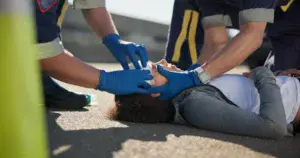
There’s nothing more important than protecting the people you love. From toddlers to grandparents, every family member deserves a safe home environment. Being prepared for injuries is a vital part of that safety.
According to the Australian Institute of Health and Welfare, over half a million people are hospitalised annually due to accidental injuries. These stats highlight the importance of preparation, and this guide will help you choose the best family first aid kit for your home.
What is a Family First Aid Kit?
A family first aid kit is a collection of essential medical supplies designed to treat common injuries and illnesses at home. It’s tailored to suit the specific needs of your household, including children, allergies, and lifestyle. With the right kit on hand, families can respond quickly and confidently, often preventing minor issues from becoming major emergencies.
Must-Have Items in the Best Family First Aid Kit
According to Kidsafe Australia, more than 150,000 children are hospitalised each year due to unintentional injuries—many occurring at home. This highlights the importance of having a comprehensive first aid kit accessible and tailored for family-specific needs. The ideal family first aid kit should include:
- Adhesive bandages and dressings – For minor cuts and scrapes.
- Antiseptic wipes and solutions – To clean wounds and reduce infection risk.
- Gauze pads and tape – For dressing larger wounds.
- CPR face shield – Essential for safe resuscitation.
- Disposable gloves – To protect the responder.
- Digital thermometer – For checking temperatures during fevers.
- Burn gel and cold packs – To treat minor burns and sprains.
- Tweezers and scissors – For splinter removal and cutting tape or clothing.
- Saline solution – For eye and wound irrigation.
- Emergency contact card – To list vital phone numbers.
Families with young children or allergies should also include child-safe medications, an EpiPen (if prescribed), and age-appropriate pain relief. Unlike workplace kits, family kits benefit from more customisation.
- Bonus Resource: Learn how to recognise and respond to severe allergic reactions—read our essential guide on first aid for anaphylaxis. It could save a life.
How to Choose the Right Kit for Your Family
Choosing the best family first aid kit depends on a few personal factors. Consider your family size, ages, any pre-existing health issues, and whether you live in a remote area. Urban homes may prioritise basic kits, while rural families may need more comprehensive supplies.
We regularly remind our clients to obtain first aid kits that are TGA-approved and compliant with Australian Standards (AS2675-1983)—and we cannot emphasise this enough. For added confidence in an emergency, consider completing an approved first aid course to ensure you know how to use everything effectively.
Portability matters too—whether you’re in the car, out hiking, or watching the kids at the sports field, a compact kit ensures you’re always prepared. Keep one in the home, car, and even the pram if you’re often out with kids.
- Case Study: Speaking of sport, check out how our first aid preparedness made a difference at Industree Group Stadium—a real-world example of why the right kit matters: Vital First Aid Saves a Life at Industree Group Stadium
Maintaining Your Kit: Don’t Just Set and Forget
Owning a kit isn’t enough—it must be maintained. Schedule regular checks every six months to replace expired items. Adjust contents seasonally; for example, include insect repellent and snake bandages during summer. Restock immediately after use and keep a checklist to track supplies. A first aid kit is only useful if everything inside is current and accessible.
- Bonus Resource: Heading outdoors this summer? Knowing how to handle a snake bite could be lifesaving. Read our expert guide on treating snake bites and stay safe wherever your adventures take you.
Real-Life Scenarios: Why Preparation Matters—Even at Home
In a chilling reminder that danger can strike in the most unexpected places, a Sydney family faced a terrifying emergency when their toddler was bitten by a funnel-web spider hiding in their Christmas tree. Their frantic dash to hospital thankfully ended well, but the situation could have been even more serious without immediate action.
This story underscores the importance of having a well-stocked, easily accessible first aid kit at home—especially in a country like Australia, where venomous bites are a real risk. Quick access to bandages and the knowledge of how to manage a bite can make all the difference in the critical moments before professional help arrives.
- Bonus Resource: Australia is home to one of the world’s most dangerous spiders. Learn how to respond effectively—read our ultimate first aid guide to funnel-web spider bites. It’s essential reading for every Australian household.
Final Tips and Takeaways on the Best Family First Aid Kit
The best family first aid kit is one that’s tailored, accessible, and well-maintained. Stock it with the essentials, adjust it for your family’s needs, and don’t forget to check it regularly. Most importantly, know how to use it. Enrolling in a first aid course equips every family member with lifesaving skills.
Explore our range of family first aid kits to ensure you’re prepared for anything life throws your way.
Stay safe, stay prepared.
Sources: