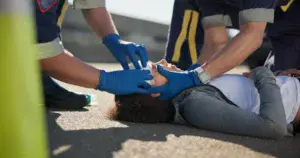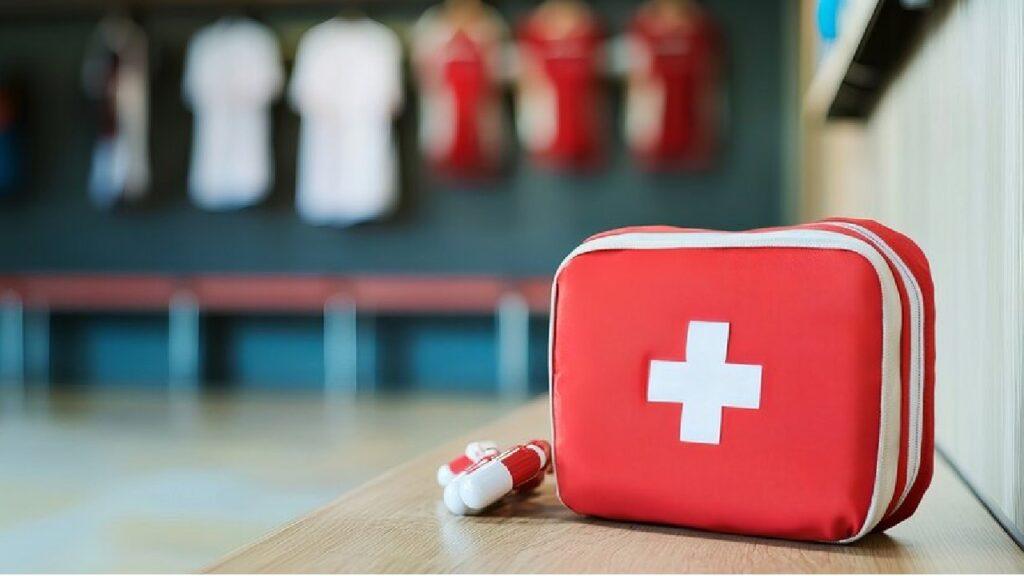
Most of us aren’t professional athletes with an expert medical team on standby. More often, we’re hitting the tennis courts with friends, cycling along winding trails, or playing a weekend soccer match at the local park.
In these moments, a well-stocked sports first aid kit is vital.
Having the right essentials on hand can mean the difference between quickly getting back in the game or tapping out due to injury. Here are the 8 must-have first aid items every sports enthusiast should pack to stay prepared for any situation.
What Should be in a Sports First Aid Kit?
A sports first aid kit should contain essential items to handle common injuries like cuts, bruises, and sprains. Key supplies include bandages, antiseptic wipes, and ice packs, ensuring you can provide immediate care until professional help is available if needed.
1. Antiseptic Wipes
Cuts and scrapes are common in sports. Most will shrug these injuries off—it’s just part of the game, they’ll say. But doing so risks infection. That’s why antiseptic wipes are crucial. They’re quick to use and compact, making them ideal for a sports kit.
Tip: Carry individually wrapped wipes to keep your kit organised and easy to use, especially during outdoor games where dust and dirt can make wounds worse.
2. Adhesive Bandages
Small injuries like blisters or minor cuts shouldn’t stop you from continuing to play. Adhesive bandages offer quick coverage and protection, so you’re back in action with minimal fuss.
Tip: Even if it’s not raining, we all sweat during sporting activity. So opt for waterproof bandages to ensure they stay in place. Of course, they are crucial if it is raining.
3. Cold Compress or Instant Ice Pack
Sprains, strains, or sudden bruises are inevitable in sports. An instant ice pack can help reduce swelling and numb pain on the spot, giving you relief until further treatment is available.
Tip: Follow the RICE method—Rest, Ice, Compression, Elevation—to manage swelling and speed up recovery for minor sprains and strains.
4. Compression Wraps
Strains can happen with one wrong move, and compression wraps are perfect for stabilising injuries until you can see a professional. They’re lightweight and versatile for use on different body parts.
Tip: Choose self-adhesive wraps to avoid fumbling with clips or pins, especially when you’re in a hurry to get back to your activity.
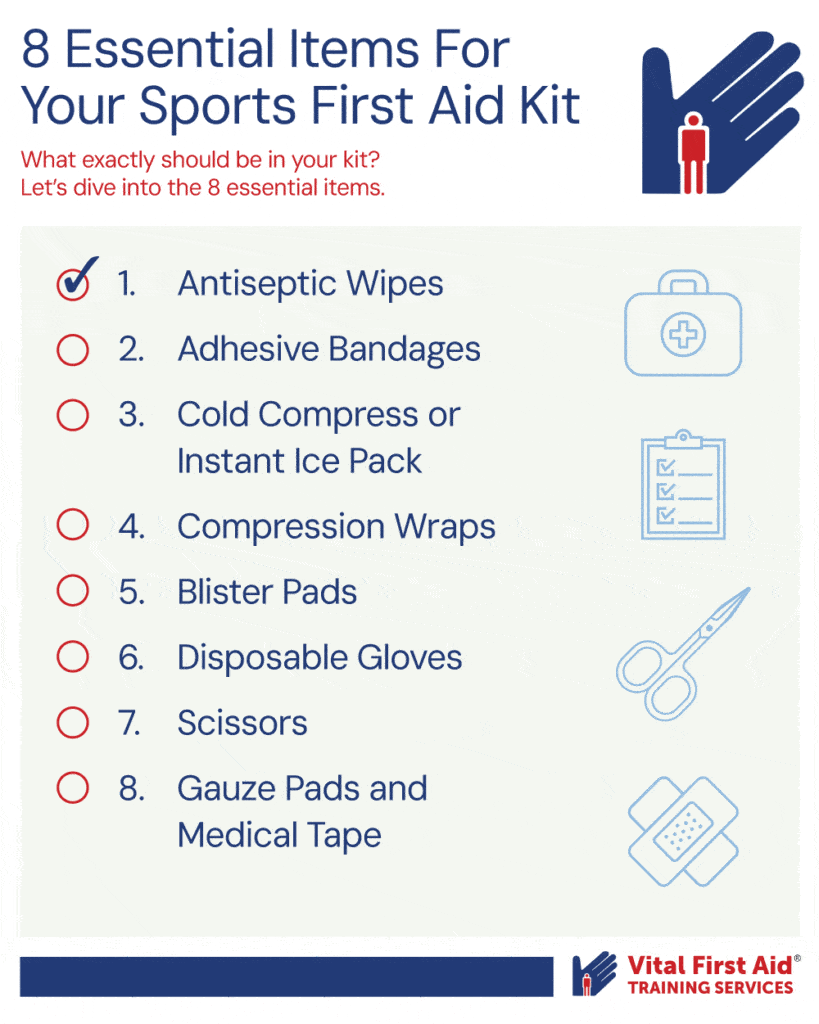
5. Blister Pads
Blisters can turn a game into a painful experience. Blister pads are specially designed to cushion and protect, helping you stay comfortable even if a blister develops.
Tip: Stock a range of sizes to match different types of blisters on the feet, hands, or other areas prone to friction.
6. Disposable Gloves
Whether you’re treating a teammate or yourself, disposable gloves ensure cleanliness and prevent infection. This is essential when dealing with open wounds or bodily fluids.
Tip: Look for non-latex gloves if anyone on your team has allergies, as they’re just as effective and safer for sensitive skin.
7. Scissors
Scissors come in handy for trimming gauze, cutting tape, or even removing clothing around a wound. They’re a practical addition that helps manage different injuries.
Tip: Opt for medical-grade scissors with rounded tips for added safety and to prevent accidental cuts while treating injuries.
8. Gauze Pads and Medical Tape
For larger wounds that need extra protection, gauze pads and medical tape allow you to create custom bandages. They’re especially helpful for cuts that require more than just a bandage.
Tip: Waterproof medical tape ensures the gauze stays in place, even during high-intensity games or wet weather conditions.
Why a Sports First Aid Kit Matters
Sure, most of us aren’t pro’s with expert medical teams at hand. But that doesn’t mean we should neglect our safety during sports.
Having these essentials in your sports first aid kit is quite simple and easy. Most importantly, it ensures you’re ready for the typical injuries or issues that might arise during any sporting activity, whether you’re out on the trails, on the field, or the court.
With the right preparation, you can handle minor injuries independently, helping you and your teammates stay safe and keep the game going.
Contact us for more information or register for a course near you.
Sources: Mayo Clinic ; Health Direct ; ALLERGY & ANAPHYLAXIS AUSTRALIA; Cleveland Clinic ; Better Health Channel ; Medical News Today