We’ve all been there—you bump into something, and before long, a bruise begins to form. Bruises, or contusions, are common injuries that can happen to anyone, often leaving the affected area tender and discoloured.
Whether it’s from a fall, a minor accident, or bumping into furniture, bruises are generally harmless, but they can be painful and unsightly.
In this blog, we’ll cover everything you need to know about bruises, how long they last, and essential first aid steps to help alleviate pain and promote faster healing.
Heres a summary of what you’ll find in this blog:
What is a Bruise?
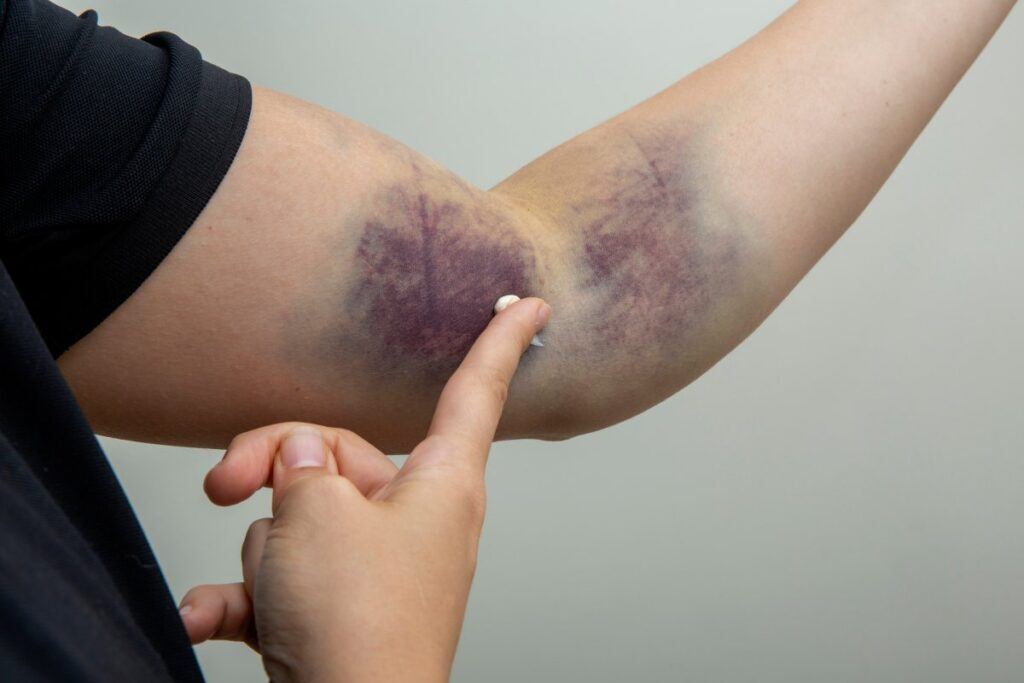
A bruise forms when small blood vessels beneath the skin break due to an impact or injury. As blood leaks into the surrounding tissues, it causes visible discolouration that can range from light purple to deep blue or black, depending on the severity of the injury.
How Long Do Bruises Last?
Bruises typically last between 1 to 2 weeks, depending on the severity and your body’s healing process. Initially, bruises appear red or purple, then change to blue, green, and yellow as they heal.
The healing time can be influenced by factors such as age and overall health. Rest and cold compresses can help reduce swelling and discomfort.
What Causes Bruises?
Here are some of the most common causes of bruises:
Falls
Accidental falls are a major cause of bruising, particularly in areas like the knees, hips, and arms. The impact of a fall can cause deeper bruising or even hematomas, especially in older adults.
Sports Injuries
Sports activities such as football, basketball, or rugby often involve direct contact or collisions that can lead to bruises on the arms, legs, or torso.
Head Injuries
Head impacts, whether from a fall or accident, can cause noticeable bruising, especially around the forehead or eyes. In some cases, this may be accompanied by swelling (goose egg).
Fainting
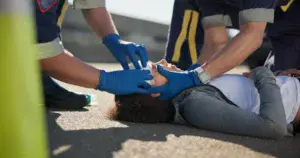
When someone faints or loses consciousness it can lead to a fall, often causing bruising from the impact.
Certain Medications
Blood-thinning medications, such as aspirin or anticoagulants, make it easier to bruise. These medications reduce the blood’s ability to clot, making even minor bumps more likely to cause bruises.
Medical Conditions
Certain health conditions, such as anaemia or clotting disorders, can make individuals more prone to bruising.
First Aid for Bruises
Although most bruises will heal and fade away on their own, proper first aid can help reduce pain, swelling, and the size of the bruise. Here are the essential first aid steps:
1. Apply Ice
Use an ice pack wrapped in a cloth for 10-15 minutes to reduce swelling and prevent the bruise from spreading. Repeat several times a day for the first 24-48 hours. Avoid direct contact with the skin as this can cause ice burns.
2. Elevate the Area
For bruises caused by injuries like a sprained ankle, raise the injured limb above heart level. This helps to minimise swelling by reducing blood flow to the area, which in turn decreases discomfort and limits the size of the bruise.
3. Rest
Avoid using or putting pressure on the injured area. Giving it time to rest prevents further damage and allows the bruise to heal faster.
4. Monitor
While most bruises heal on their own, keep an eye on the injury. If the bruise becomes more painful, larger, or is accompanied by a lump (hematoma), seek medical advice to rule out more serious damage.
Bruises (Contusions): Frequently Asked Questions (FAQ)
1. What is a bruise?
A bruise, or contusion, occurs when small blood vessels under the skin break due to trauma, causing blood to leak into surrounding tissues. This results in skin discolouration—often red, purple, or blue—followed by yellow or green as the bruise heals.
2. How long do bruises usually last?
Most bruises last between 1 to 2 weeks. The discolouration progresses through stages: red or purple (initial), then blue, green, and finally yellow before fading completely. Healing time varies based on severity, age, and individual health.
3. What causes bruises?
Bruises typically result from:
- Falls
- Bumps into objects
- Sports injuries
- Fainting-related impacts
- Use of blood-thinning medications
- Medical conditions like anaemia or clotting disorders
Even minor impacts can cause bruising, especially in people with sensitive skin or circulatory issues.
4. Are bruises dangerous?
Most bruises are harmless and resolve without medical treatment. However, persistent, painful, or unusually large bruises may indicate underlying issues such as internal bleeding, hematomas, or clotting disorders and should be evaluated by a healthcare professional.
5. What does the colour change in a bruise mean?
The changing colours represent the breakdown of hemoglobin in the blood:
- Red/Purple: Fresh blood under the skin
- Blue/Dark Purple: Blood is deoxygenated
- Green/Yellow: Blood pigments are being reabsorbed
These changes signal different stages of healing.
6. What first aid should I apply to a bruise?
Key steps include:
- Ice: Apply for 10–15 minutes every few hours for the first 1–2 days
- Elevate: Raise the bruised area above heart level to reduce swelling
- Rest: Avoid activity that might aggravate the area
- Monitor: Watch for signs of complications like increasing pain or swelling
7. When should I see a doctor about a bruise?
Seek medical advice if:
- A bruise is unusually large or painful
- There’s no known cause for the bruising
- Swelling forms a hard lump (possible hematoma)
- Bruises occur frequently or without injury
- You’re on blood thinners and the bruise is growing
8. Why do some people bruise more easily?
Factors include:
- Age (older adults have thinner skin and fragile vessels)
- Medications (aspirin, anticoagulants, corticosteroids)
- Nutritional deficiencies (vitamin C or K)
- Blood disorders (e.g. haemophilia)
Genetics and skin tone may also influence how visible bruises are.
9. Can you prevent bruising?
While you can’t always prevent bruises, you can reduce risk by:
- Wearing protective gear during sports
- Taking care when walking or moving furniture
- Managing medications that affect clotting
- Maintaining good nutrition for skin and vessel health
10. What’s the difference between a bruise and a hematoma?
A bruise is generally flat and heals relatively quickly, while a hematoma involves more blood pooling and may form a firm lump under the skin. Hematomas take longer to resolve and may require medical treatment, especially if large or painful.
Learn Vital Skills for Any Emergency
Understanding basic first aid for bruises can help ease pain and promote faster recovery. While bruises are usually simple to manage, are you prepared to handle more serious emergencies like shock, fainting, or head injuries?
Equip yourself with the skills and confidence to provide critical aid when it matters most. Find a first aid course near you and learn how to handle a variety of emergency situations.
Contact us today or explore our wide range of first aid courses to get started.