Imagine you’re on a relaxed family road trip, cruising along scenic routes, when you decide to take a break at a picturesque spot.
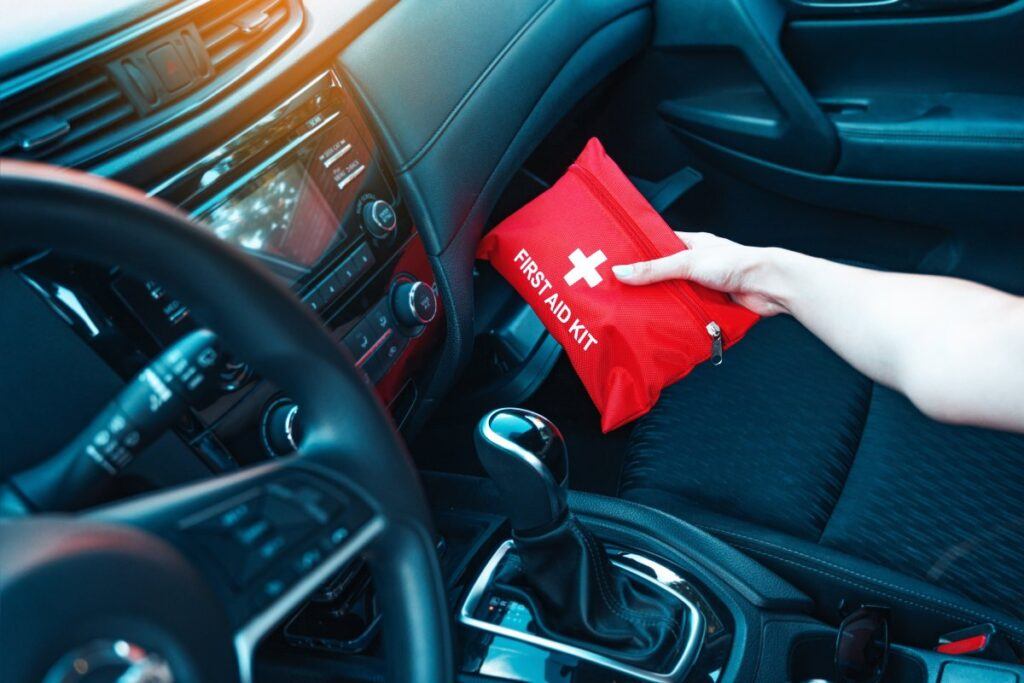
The kids eagerly jump out, ready to explore. But in their excitement, one of them trips, scraping a knee on the gravel. You quickly reach for the glove box, searching for supplies, but then it hits you—there’s no first aid kit.
In that moment, you realise just how essential it is to be prepared for the unexpected.
Explore this article:
- What Are the Consequences of Not Having a Car First Aid Kit?
- Why Having a Car First Aid Kit is Important?
- Key Items to Include in Your Car First Aid Kit
- Where Should You Store Your Car First Aid Kit?
- When to Call 000
What Are the Consequences of Not Having a Car First Aid Kit?
Without a car first aid kit, you risk being caught off guard in emergencies, leading to delayed treatment, increased stress, and worsening injuries.
Even minor incidents can escalate quickly without the right supplies. In a roadside emergency, this lack of preparation can turn a manageable situation into a serious health crisis.
Why Having a Car First Aid Kit is Important?
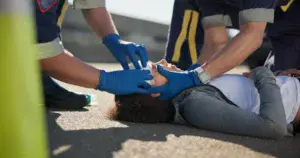
When you’re behind the wheel, the open road often feels like a place of freedom and control. However, emergencies can strike without warning—a sudden accident, a passenger falling ill, or a serious collision possibly resulting in head or spinal injuries.
These unpredictable moments can leave you urgently searching for immediate help. This is exactly why you should always have a well-stocked car first aid kit.
Having the right first aid supplies ensures you’re prepared to manage anything from minor injuries to serious incidents until emergency services arrive.
Key Items to Include in Your Car First Aid Kit
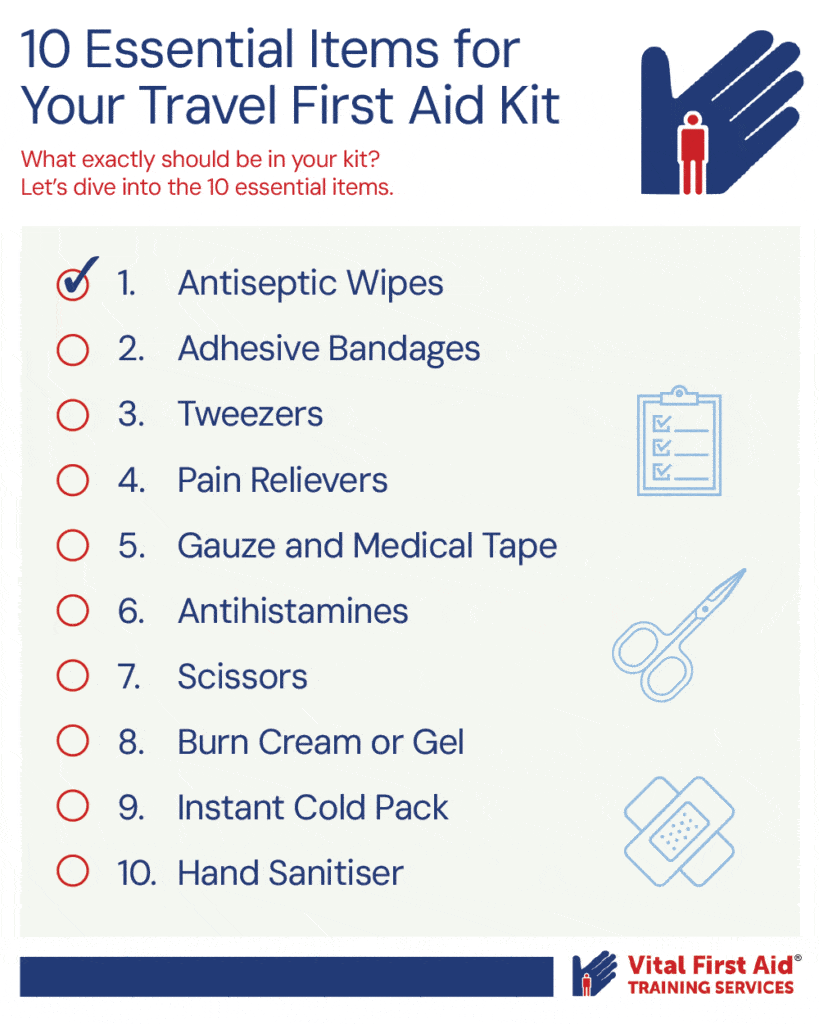
Your kit should contain a range of essential items and tools to effectively handle various types of emergencies. Here’s a comprehensive list of key items to include:
Basic Medical Supplies
These are the essentials for treating common injuries:
- Bandages: For covering cuts, blisters, or minor wounds
- Sterile Gauze Pads and Adhesive Tape: Useful for larger wounds or applying pressure to stop bleeding
- Antiseptic Wipes: To clean wounds and prevent infection
- Tweezers: For removing debris, splinters, or stingers
- Scissors: Essential for cutting tape, gauze, or clothing if necessary
- Medical Gloves and Mask: To protect yourself and others from cross-contamination
Medications
Include basic medications that can address common health issues on the go:
- Pain Relievers (aspirin, ibuprofen, paracetamol): To manage pain, reduce fever, or deal with inflammation
- Antihistamines: Helpful for allergic reactions
Specialty Items
Not essential but can be beneficial in certain situations:
- Emergency Blanket: Prevents hypothermia in cold condition or if someone goes into shock
- Burn Cream or Gel: For treating minor burns
- Ice and Heat Packs for sprain pain management
Personal Items
Items tailored to you or your families specific needs:
- Prescribed Medications: Extra doses of necessary prescription medication
- EpiPen: Essential for anyone prone to severe allergic reactions
Where Should You Store Your Car First Aid Kit?
To ensure your car first aid kit is as effective as possible, it should be stored in a location that is secure and easily accessible to both the driver and passengers.
The ideal spots for a car first aid kit are the centre console between the front seats, the glove box or in the boot. These locations allow for quick access during an emergency, ensuring you can reach your supplies without delay.
When to Seek Emergency Assistance (OOO)
While a well-stocked car first aid kit can help manage minor injuries, certain situations require immediate professional help.
Knowing when to seek emergency assistance is crucial:
Severe Bleeding After an Accident: If someone is bleeding heavily and it cannot be controlled with bandages or pressure, or if a more serious situation like an amputation has occurred, call emergency services (000) immediately
Loss of Consciousness in a Passenger: If a passenger loses consciousness, even for a brief moment, it’s crucial to seek medical help right away.
Chest Pain or Breathing Difficulties: If anyone in the vehicle experiences chest pain or difficulty breathing, it could indicate a serious condition like a heart attack, requiring urgent attention.
Head or Spinal Injuries from a Collision: If a head or spinal injury is suspected after a crash, avoid moving the person and contact emergency services immediately.
Severe Allergic Reactions: If someone in the car is having a severe allergic reaction, administer an EpiPen if available, and call for emergency assistance.
In any situation where you are unsure of the severity, it’s always better to seek professional medical assistance.
Knowing How to Respond is Vital
Staying calm in a roadside emergency is much easier when you’re truly prepared. While having a well-stocked car first aid kit is essential, knowing how to respond effectively is just as important.
Ensure you’re ready for the unexpected—sign up for one of our courses today to gain the confidence and skills needed to provide first aid.
Contact us for more information or register for a course near you.