Hiking is one of Australia’s favourite outdoor activities, offering breathtaking landscapes and rewarding physical challenges. But as any seasoned bushwalker knows, nature is unpredictable. That’s why packing a well-stocked hiking first aid kit is just as important as water, snacks, and sun protection.
Whether you’re tackling the Blue Mountains or venturing through the Grampians, having the right gear on hand can make all the difference in an emergency. In this guide, we’ll walk you through exactly what your kit should include, how to prepare for common trail mishaps, and how to stay compliant with Australian safety standards.
Why a Hiking First Aid Kit Matters
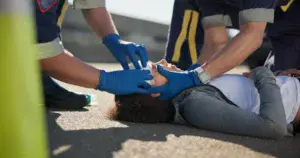
Australia’s diverse terrain can lead to a range of injuries. Sprained ankles, blisters, dehydration, heatstroke, and insect bites are just a few examples. A dedicated first aid kit for hiking ensures you can treat minor issues on the spot and stabilise more serious injuries until help arrives.
What to Include in a Hiking First Aid Kit
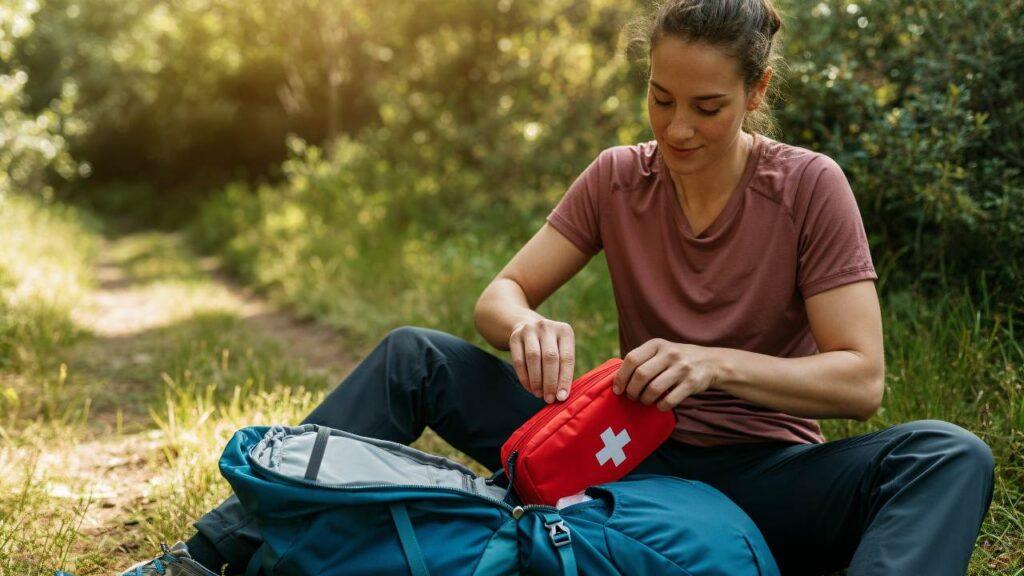
A compact but comprehensive hiking first aid kit should cover the basics while considering the specific risks of your environment. Here’s a checklist of must-haves:
- Adhesive bandages and blister pads – For minor cuts, abrasions, and chafing
- Compression bandages – Essential for sprains or snakebite treatment
- Sterile gauze and adhesive tape – For dressing larger wounds
- Antiseptic wipes or solution – To clean injuries and reduce infection risk
- Tweezers and scissors – For splinter or tick removal and cutting dressings
- Disposable gloves – To maintain hygiene when treating wounds
- CPR face shield – For performing resuscitation safely
- Saline solution – For eye irrigation or flushing wounds
- Thermal blanket – To prevent hypothermia
- Personal medications and medical info – Always include any required prescriptions or allergy alerts
You can also consider extras like a whistle, a notepad and pencil, and a small mirror for signalling or checking injuries.
- Before your next trek, brush up on essential bushwalking safety tips from NSW National Parks. Stay informed and hike smart.
Expert Tips for First Aid on the Trail
Preparation is key. Follow these expert strategies to make the most of your hiking first aid kit:
- Check your kit before each hike – Replace used or expired items
- Take a first aid course – A certified outdoor first aid course enhances your ability to respond in emergencies. Vital First Aid offers nationally recognised training
- Know your route – Understand the terrain, nearest emergency services, and phone reception zones
- Pack light, pack smart – Choose a lightweight, waterproof container and prioritise essential items based on the length and remoteness of your hike
Proper preparation ensures your hiking first aid kit is truly effective when it counts. By regularly checking your supplies, gaining practical training, understanding your hiking route, and packing strategically, you’ll be equipped to manage emergencies confidently and efficiently on any trail.
- Australia is blessed with some of the world’s greatest hikes. Here’s some hikes that are standing out in 2025
Real-Life Scenario: Survival on Mount Kosciuszko
When Hadi Nazari became lost in freezing conditions on Mount Kosciuszko, his survival was aided by preparation and resilience—highlighting how vital it is to carry a hiking first aid kit and plan for emergencies. Read more about his incredible story here.
Stay Safe and Confident on Every Adventure
A reliable hiking first aid kit is a bushwalker’s best friend. It’s your frontline defence against unexpected injuries and the tool that can turn a crisis into a manageable situation. Remember to tailor your kit to your hiking destination, stay trained, and regularly update your supplies.
Before your next trek, check out our first aid kits for outdoor adventures, and consider enrolling in a remote area first aid course. Being prepared means enjoying Australia’s wild beauty with confidence and peace of mind.
Sources: