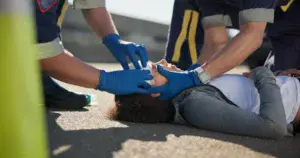
Preparing a seizure first aid kit is a proactive step that can make a real difference in a medical emergency. Whether you’re at home, at work, or out in the community, having the right items ready means you can respond with confidence and care.
In this guide, we’ll walk through what to include in a seizure-specific first aid kit, how to use it effectively during and after a seizure, when to call emergency services, and how to tailor your kit for different settings — from the workplace to outdoor activities.
What Is a Seizure First Aid Kit — and Why It Matters
A seizure first aid kit is more than just bandages and antiseptic. It’s a purpose‑built collection of items (plus information) designed to help a person safely during and after a seizure. When seizures strike without warning, having a dedicated kit helps protect them from injury, supports recovery, and ensures rescue or medical responders have vital info at hand.
Seizures: Common Reasons and Important Contexts
The most common cause of seizures is epilepsy, a neurological disorder that affects brain activity. According to Epilepsy Action Australia, approximately 1 in 25 Australians will be diagnosed with epilepsy at some point in their lives. Other potential causes include head trauma, infections, fever (in children), stroke, low blood sugar, or drug interactions.
If the person has a known medical condition that causes seizures, it’s important to follow their personalised seizure action plan. This includes understanding their typical seizure pattern, using the items in the seizure first aid kit, and knowing when to escalate to emergency care.
- Seizures that aren’t linked to epilepsy are often referred to as non-epileptic seizures. Unlike epileptic seizures, these episodes aren’t triggered by abnormal electrical activity in the brain, making their causes and treatments different. Learn more here: Non-epileptic seizures
Essential Items for a Seizure First Aid Kit
A well-prepared seizure first aid kit includes more than just basic medical supplies — it’s designed to protect, support and guide response during and after a seizure. Whether it’s for personal use, home, work, or while travelling, having the right items ready ensures you can act calmly and effectively in those critical moments.
- Information card + Emergency contacts — include the person’s medical history (e.g. epilepsy diagnosis), what type of seizures they have, what to do in an emergency, and important phone numbers (doctor, family, emergency contact).
- Seizure‑action plan (if available) — a printed or laminated plan describing what steps to take during the seizure, recovery instructions, and any medications or after‑seizure care.
- Soft cushioning (blanket or small pillow) — for cushioning the person’s head during a seizure to prevent head injury if they fall or jerk.
- Disposable gloves + wipes / basic hygiene supplies — to maintain hygiene, especially if there’s saliva, vomit or other bodily fluid, or if first aid involves cleaning up afterward. Standard first aid kits typically include such items.
- Water bottle + towel or spare cloth — after a seizure, hydration and comfort may matter; a towel can help manage any fluids or help keep the person comfortable.
- Seizure diary or log sheet + pen — this helps record date/time of seizures, duration, triggers or notable events, which can be useful for medical consultations.
- Flashlight and small torch (optional but helpful) — in case the seizure occurs at night or in poor light; helps you monitor and assist safely.
Together, these items create a kit that supports both immediate safety and ongoing medical care. Review and customise based on individual needs and the environment in which the kit will be used.
How to Use the Kit — First Aid Steps When a Seizure Occurs
When someone has a seizure and you have your kit ready:
- Stay calm and stay with them — ensure you are prepared, gently clear the area of hard or sharp objects.
- Cushion their head with the soft padding from your kit to prevent injury, and loosen tight clothing around their neck.
- As soon as jerking stops — and if safe — roll them onto their side (recovery position) to keep the airway clear.
- Use gloves and wipes if needed to manage saliva or fluids hygienically; keep a towel ready for clean‑up if needed.
- Once they recover — offer water (if safe), provide reassurance, and log the seizure details (time, duration, what happened). Use a seizure diary if included in the kit.
These steps help you respond safely and confidently during a seizure. Having your kit nearby ensures you’re not scrambling for supplies, allowing you to focus on protecting the person and supporting their recovery.
When to Call Emergency Services
While many seizures end without complications, there are situations when urgent medical help is needed. You should call emergency services (000 in Australia) if:
- The seizure lasts more than 5 minutes.
- A second seizure begins immediately after the first, with no recovery in between.
- The person does not regain consciousness or normal breathing, or their breathing appears troubled.
- The person is injured, has bitten their tongue or lip, vomits, or there are signs of serious harm.
- It’s their first-ever seizure, or you don’t know their medical history or care plan.
If you’re ever unsure — it’s safest to call Triple Zero (000). Even if the situation doesn’t meet all the standard criteria, seeking help is always better than risking further harm. Emergency services can guide you over the phone and ensure the person receives the right care promptly.
Where Should You Keep a Seizure First Aid Kit?
Being prepared means having the right tools accessible when and where they’re needed most. Depending on your lifestyle, work, or activities, your seizure first aid kit should be easily reachable in the following key settings:
- At home: Keep the kit in a central, visible location known to all household members — such as the kitchen or living room. This is especially important if someone in the household has a diagnosed seizure condition. For more info on first aid kits at home, read here: What to Look for in the Best Family First Aid Kit: A Complete Australian Guide
- In the workplace: Employers have a duty to ensure appropriate first aid provisions, including for seizure-related emergencies. Our office first aid kit guide explains how to stay compliant and ready for medical events on-site.
- In your car: A compact version of your kit in the glovebox or boot means you’re covered while commuting, running errands, or in case of roadside emergencies. For more info on car first aid kits, read here: The Ultimate Car First Aid Kit Checklist
- When hiking or outdoors: If you’re heading into remote or rugged areas, a first aid kit is essential. Add seizure-specific items to your pack and review our full hiking first aid kit guide for preparation tips.
- On the water: Whether you’re fishing or boating, marine environments require tailored first aid. Learn what to include with our boating first aid checklist.
- While travelling: Travel exposes you to unfamiliar environments and limited access to help. Pack a well-rounded travel kit with seizure essentials and consult our travel first aid essentials guide.
In all cases, label your seizure first aid kit clearly and make sure others know its location. Being prepared across these different contexts ensures you’re never caught off guard when help is needed.
- Workplace health and safety enforcement is ramping up across Australia, with businesses facing a rise in prosecutions and tougher penalties as WHS regulations continue to evolve in each state and territory. Learn more here: Businesses now face tougher penalties for workplace safety breaches
Preparing in Advance — Kit Maintenance & Awareness
Being prepared goes beyond just assembling a seizure first aid kit — it also means keeping it maintained, visible, and understood by those around you. Ongoing awareness and upkeep ensure the kit remains useful when it’s needed most.
- Check and refresh your kit regularly — especially the soft padding, water bottle, gloves and wipes.
- Ensure the information card and seizure‑action plan are up to date, with correct contact numbers.
- Share awareness with family, coworkers or housemates — make sure others know where the kit is and what to do.
- If someone in your home or workplace has known epilepsy or seizure disorder, consider combining this kit with a general first aid kit for broader safety preparedness.
It is important to keep your kit updated and refreshed. For more on how to do this, please read our article: The Importance Of A First Aid Kit Update: What You Need To Know
Final Checklist: Be Ready with a Seizure First Aid Kit When It Counts
A well‑prepared seizure first aid kit turns uncertainty into readiness. You don’t have to be a medical professional — simply having the right items, clear information and calm confidence can protect someone from harm and support their recovery.
Action now: Gather the essential items listed above and assemble a seizure first aid kit at home or work. Keep it accessible. Share the plan with key people and make sure everyone knows what to do if a seizure happens. With preparation, you help ensure safety, comfort and care when it matters most.
Need help choosing the right kit or training for your team or family? Explore our range of first aid kits, nationally accredited courses, or contact us for friendly advice tailored to your needs.
Sources: