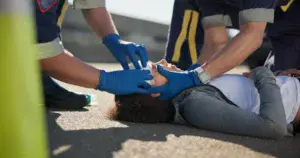
Teachers are at the heart of nurturing young minds, but their role often extends beyond education to include safeguarding student health and safety. In school settings, where accidents and emergencies can occur unexpectedly, being prepared with first aid knowledge is essential.
Understanding first aid for teachers equips you with the skills to handle common school emergencies effectively. By being ready to act, you can create a safer environment and ensure the well-being of students in your care.
What is First Aid for Teachers?
First aid for teachers refers to the immediate care provided to students and colleagues during medical emergencies or injuries. In a classroom or playground setting, quick responses to incidents such as falls, allergic reactions, or asthma attacks can significantly improve outcomes and minimise risks.
Why First Aid Awareness is Vital for Teachers
School environments are dynamic and often unpredictable. From minor scrapes to severe allergic reactions, teachers are often the first responders in emergencies. Being knowledgeable about first aid ensures that you can act promptly and confidently, potentially saving lives and providing reassurance to students and parents alike.
Common Health Emergencies in Schools
- Falls: With active children, falls are almost inevitable. Cuts, bruises, or even fractures are common results. Teachers should know how to clean wounds, assess injuries, and immobilise suspected fractures until professional help arrives.
- Allergic reactions: Food allergies are prevalent in school-aged children, and severe cases can lead to anaphylaxis. Recognising symptoms such as swelling, difficulty breathing, or hives and knowing how to use an epinephrine auto-injector is critical.
For more on managing allergies in schools, read here.
- Asthma attacks: Children with asthma may struggle with sudden breathing difficulties. Signs include wheezing, shortness of breath, and chest tightness. Promptly assisting with their inhaler and ensuring a calm environment is vital.
For more on responding to asthma attacks, read here.
- Choking: Younger students are especially at risk of choking on food or small objects. Teachers should be trained in techniques such as back blows and abdominal thrusts to address this life-threatening emergency effectively.
For more information on treating choking, read here.
- Nosebleeds: Nosebleeds are common, especially during dry seasons or after minor trauma. Teachers should know to pinch the nose gently and have the child lean forward to prevent swallowing blood.
For more tips on treating nosebleeds, read here.
Essential First Aid Tips Every Teacher Should Know
- Keep a well-stocked first aid kit
- Include items like antiseptic wipes, adhesive bandages, gauze, and gloves.
- Ensure it’s easily accessible and replenished regularly.
- Know how to handle falls
- Clean wounds carefully and apply a sterile dressing.
- If a student shows signs of a head injury or fracture, keep them still and seek professional medical help immediately.
There is growing awareness around the impact of concussions in sports—read more here
- Recognise and respond to allergic reactions
- Identify symptoms such as swelling, difficulty breathing, or rashes.
- Administer an epinephrine auto-injector if required and call emergency services without delay.
Anaphylaxis training is a core component of teacher education—learn more here
- Understand asthma management
- Ensure students have access to their prescribed inhalers.
- Stay with the child and monitor their breathing while waiting for improvement or emergency assistance if symptoms persist.
- Learn CPR and choking response techniques
- Enrol in courses that cover CPR and choking response for children.
- Practice regularly to maintain confidence and effectiveness.
Practical Tips for Teachers
- Take part in training: Attend any first aid or safety training sessions offered by your school or institution, and make use of additional resources to enhance your skills.
- Stay calm: Your composure sets the tone for students and helps manage the situation effectively.
- Communicate clearly: Use simple, reassuring language to guide students during an emergency.
- Know your students: Familiarise yourself with students’ medical conditions, allergies, and emergency contact information.
Encouraging a Safe Learning Environment
Prevention is key to reducing emergencies in schools. Establishing clear safety rules, promoting hygiene, and fostering open communication about health concerns create a proactive approach to student safety. Encouraging students to report issues early can help address potential problems before they escalate.
As a teacher, being equipped with first aid knowledge is an invaluable skill that goes beyond the classroom. Vital First Aid is very proud to be endorsed by the NSW Education and Standards Authority ( NESA ). If you’re a teacher or aspiring teacher looking for a course, contact us for more information or explore our training options to get started.
Sources: NSW Department of Education ; Asthma in Schools ; AIS ; NESA