As we age, life’s daily challenges often become harder to navigate. For seniors, minor accidents or health concerns can escalate quickly, making preparation and awareness crucial for well-being and peace of mind.
Knowing about first aid for seniors empowers you to provide the care your loved ones may need during unexpected health situations. With the right knowledge and tools, you can foster safety and confidence while supporting their health and happiness.
What is First Aid for Seniors?
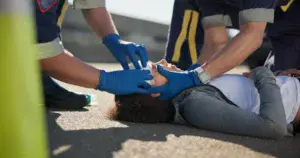
First aid for seniors involves providing immediate care for injuries or medical emergencies, tailored to their specific needs. Common situations include falls, breathing issues, and chronic health conditions. Quick action and preparation can significantly improve outcomes.
Why First Aid Awareness is Vital for Seniors
Senior citizens are at higher risk for health emergencies due to age-related changes. Fragile bones, slower recovery rates, and pre-existing conditions mean minor incidents can lead to major complications. Knowing how to respond ensures swift action when every second matters.
Common Health Emergencies in Seniors
- Falls: Australians aged 65 and older are nearly 12 times more likely to be injured from a fall compared to adults aged 25 to 44. Falls can result in fractures, head injuries, cuts, and bruises, among others.
For more information on how to avoid falls, read here
- Choking: People over 65 years of age have seven times higher risk for choking on food than children aged 1–4 years of age. Reduced swallowing reflexes increase the risk during meals for seniors.
For more on what to do in the event of choking, read here
- Heart attacks: Since 2017-18, there has been a 6% increase in the number of individuals reporting heart attacks. Recognising the symptoms is crucial, especially as they can manifest differently in seniors. While classic signs include chest pain and shortness of breath, older adults may experience more subtle symptoms like fatigue, mild discomfort, nausea, or dizziness.
For more on what to do in the event of a heart attack, read here
- Strokes: Strokes are a leading cause of disability in seniors, making it vital to recognise early warning signs such as sudden weakness, numbness on one side of the body, slurred speech, or vision changes. Immediate medical attention can significantly reduce the risk of long-term damage.
For more on what to do in the event of a stroke, read here
- Diabetic emergencies: Seniors with diabetes may experience rapid changes in blood sugar levels, leading to symptoms such as confusion, sweating, shaking, or even loss of consciousness. Keeping glucose tablets or sugary snacks on hand can help manage sudden drops in blood sugar, while regular monitoring is essential for avoiding severe episodes.
For more information on caring for an older person with diabetes, read here
- Breathing difficulties: Conditions like asthma, COPD, or pneumonia can escalate quickly in seniors, leading to shortness of breath, wheezing, or fatigue. Using prescribed inhalers, maintaining proper ventilation, and knowing when to seek emergency care are key steps in managing these issues effectively.
Winter weather poses its own unique risks for those suffering from asthma, especially for the elderly—learn more here
Essential First Aid Tips for Supporting Senior Health
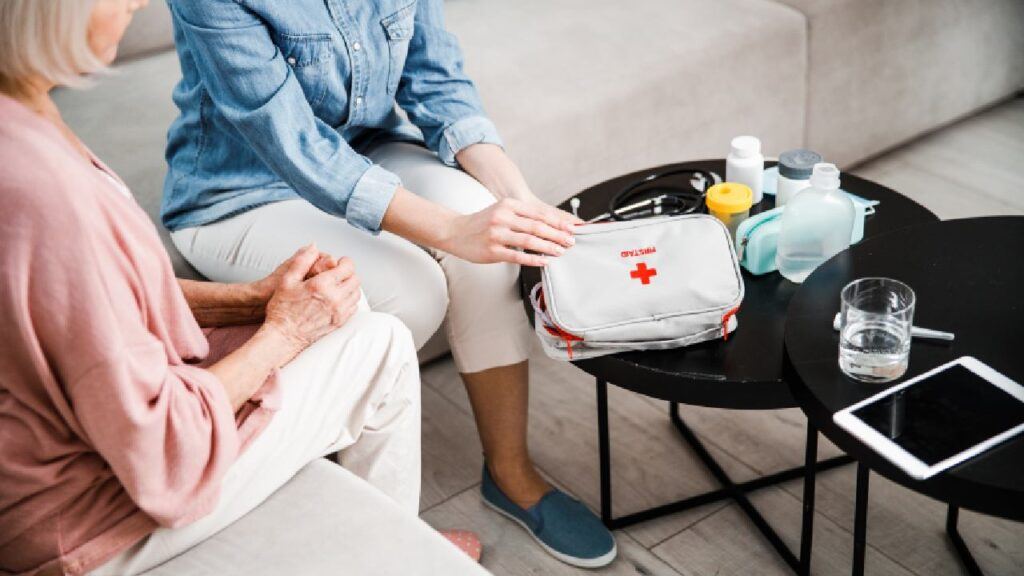
- Prepare a first aid kit tailored for seniors
- Include items like pain relievers, a blood pressure monitor, glucose tablets, and medical records.
- Ensure it is easily accessible and checked regularly for expired items.
- Learn CPR and choking response techniques
- Enrol in a course that covers modifications for older adults.
- Practice abdominal thrusts and chest compressions appropriate for frailer individuals.
- Know how to handle falls
- Keep the person still and assess injuries before moving them.
- Use gentle, supportive assistance to help them sit or lie down comfortably.
- Understand medication management
- Familiarise yourself with their prescriptions to avoid harmful interactions.
- Maintain an up-to-date medication list for emergencies.
- Recognise the signs of common emergencies
- Stroke: Sudden numbness, confusion, or difficulty speaking.
- Heart attack: Shortness of breath, dizziness, or mild chest pain.
- Cardiovascular Disease (CVD) is Australia’s – and the world’s – number 1 cause of death. For more on heart health, read here
- Create a safe home environment
- Remove tripping hazards like loose rugs or wires.
- Install grab rails in bathrooms and ensure proper lighting throughout the house.
Practical Tips for Caregivers
- Stay calm: Seniors often mirror emotional cues, so maintaining composure can prevent panic.
- Communicate clearly: Speak slowly and reassure them during an emergency.
- Involve them: Encourage seniors to participate in safety planning and decision-making.
- Practice drills: Simulate scenarios to build confidence in handling emergencies effectively.
Encouraging Proactive Health Practices
Preventative care is the cornerstone of senior safety. Regular check-ups, physical activity, and a balanced diet contribute to better resilience against emergencies. Staying informed and ready ensures that you can provide the best support when needed most.
Supporting senior health is about more than just care—it’s about empowerment. Equip yourself with the skills and knowledge to make a meaningful difference. Contact us today or explore our wide range of first aid courses to get started.
Sources: Australian Institute of Health and Welfare ; Heart Foundation ; Health Direct ; HRI ; National Library of Medicine ; NDSS