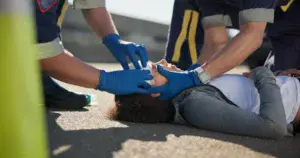
Mountain biking gives you the thrill of the trail—freedom, speed, and adventure. But let’s be honest, it also comes with a fair share of risk. Cuts, sprains, crashes… they’re not always avoidable. Yet, many riders hit the trails unprepared, unsure of what to pack in a proper mountain biking first aid kit.
That uncertainty can be dangerous. A minor injury in the middle of nowhere can quickly turn serious if you’re not equipped to deal with it. That’s why in this blog, we’re breaking down exactly what you need in your mountain biking first aid kit, so you can ride with confidence knowing you’re ready for the unexpected.
What should be in a mountain biking first aid kit?
A mountain biking first aid kit should include supplies for treating common trail injuries like cuts, scrapes, sprains, and blisters. Key items include wound care essentials, antiseptics, pain relief, bandages, a thermal blanket, and a compact tool or multitool. Always tailor your kit to your route and ride duration.
1. Sterile Gauze and Bandages
Crashes happen—even to experienced riders. Whether it’s a scraped knee or a deep gash, you need clean gauze and bandages to control bleeding and protect wounds from dirt and bacteria.
Include in your kit:
- Sterile gauze pads (various sizes)
- Adhesive bandages (waterproof if possible)
- Non-stick dressings for larger wounds
These basics are lightweight, packable, and the first line of defence after a fall.
2. Antiseptic Wipes or Spray
When you’re out on a muddy trail, hygiene can’t be overlooked. Cleaning a wound properly reduces the risk of infection.
Look for:
- Alcohol-free antiseptic wipes (less sting, safe for kids too)
- Compact antiseptic spray
These are especially helpful when you can’t access clean water.
3. Medical Tape and Blister Plasters
Tape is incredibly versatile. It secures dressings, supports sprained joints, and even makes a temporary repair if your gear fails.
What to pack:
- Waterproof medical tape
- Blister plasters or hydrocolloid dressings
If you’ve ever had a hot spot turn into a full-blown blister mid-ride, you know how important these can be.
- Hydrocolloid dressings are ideal for preventing and treating blisters, as they create a moist healing environment and cushion pressure points during long rides. Learn more here.
4. Pain Relief Tablets
Painkillers can mean the difference between getting back on your bike or calling it a day early. For many, ibuprofen is a go-to—it helps with both pain and swelling.
Add to your kit for personal use:
- Ibuprofen or paracetamol in clearly labelled packaging
- Optional: antihistamines in case of insect stings or allergic reactions
Always check dosage guidelines and expiry dates. Obviously, if pain persists, you should consult a medical practiuoner or ambulance
5. A Compact Emergency Blanket
Lightweight but life-saving. A mylar emergency blanket can help if someone goes into shock or gets caught out in cold, wet weather.
Why it matters:
- Prevents hypothermia
- Reflects body heat
- Fits in the palm of your hand
Even short rides can turn serious fast. This is one of those “hope you never need it” items—until you do.
- While it has its dangers, mountain biking can be safe if important measures are taken—Learn more here.
6. Tweezers and Scissors
Thorns, splinters, or ticks—these tools come in handy more often than you’d think. Scissors are also vital for cutting tape, clothing, or bandages.
Look for:
- Small stainless steel tweezers
- Folding or trauma shears (blunt-tipped for safety)
- Tip: Many riders carry a multi-tool with these built in.
7. Personal Medications and Medical Info
Don’t forget the basics tailored to you. If you have a known allergy, asthma, or another medical condition, it’s vital that your kit reflects that.
Make sure to include:
- Any essential personal medications (e.g., inhaler, EpiPen)
- A small card with your medical info and emergency contact
It’s peace of mind for you and those riding with you.
- Anaphylaxis strikes fast, often without warning, and for many, it’s a life-threatening emergency—learn more here
Quick Packing Tips
Here’s how to make your mountain biking first aid kit trail-ready:
- Use a waterproof pouch or dry bag
- Label items for easy access
- Store it in your backpack or frame bag
- Review your kit every few months for expired items
And remember, the best first aid kit is the one you actually carry—so keep it lightweight, but complete.
- Australia is blessed with some of the world’s best trails to ride on. Just ensure you are prepared for all conditions—learn more here.
Final Thoughts: Ride Prepared, Ride Confident
The trail can be unpredictable—but that’s part of the adventure. With a well-stocked mountain biking first aid kit, you’re not just protecting yourself, you’re looking out for your riding buddies too.
From minor scrapes to unexpected emergencies, being prepared makes you a smarter, more responsible rider. So take the time to build your kit before your next ride.
Want more tips on trail safety and gear? Check out our guide on how to choose the best mountain bike backpack and hydration strategies for long rides.
Got your own go-to first aid item? Share it with us in the comments below—we’re always keen to learn from fellow riders.
Sources: National Library of Medicine ; Aus Cycling ; NSW National Parks and Wildlife Service