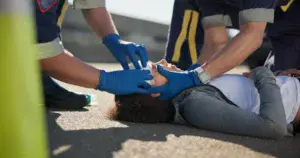
Australians love the beach — from sunrise swims to weekend surfs, it’s part of our lifestyle. But with this enjoyment comes real risks, especially in open water. Recent shark interactions along the east coast remind us that nature can turn dangerous quickly.
While rare, shark bites can cause life-threatening injuries. Knowing first aid for shark bite empowers you to act confidently in those critical first moments. In this guide, we’ll cover essential response steps, trauma kit must-haves, when to call for help, and how to stay prepared at the beach.
What Is First Aid for Shark Bite — and Why It Matters
First aid for shark bite focuses on controlling heavy bleeding, preventing shock, and preserving life until emergency help arrives. Quick, calm action can dramatically reduce complications. With the right knowledge and supplies, beachgoers can respond effectively in those first critical moments — when every second truly counts.
Shark Bites in Australia — Context and Facts
Australia’s coastline attracts millions each year, and while shark interactions are rare, they can be life‑threatening. According to the Australian Shark Incident Database, there have been an average of 20 injury-related shark incidents annually over the past decade, including around 2.8 fatalities each year.
Most incidents occur in surf zones during the warmer months when both sharks and swimmers are more active. To reduce risk, swim at patrolled beaches, avoid the water at dawn or dusk, and follow local warnings. Awareness and preparation help beachgoers stay vigilant and safe.
- Learn more here: Australian Shark Incident Database
When to Call Emergency Services
Call 000 (Australia) immediately for any shark bite with significant bleeding, suspected deep tissue damage, or shock signs. Urgent transport to hospital is vital, especially if the person shows confusion, paleness, rapid pulse, or difficulty breathing — indicators of shock.
Essential Items for a Shark Bite First Aid Kit
A first aid kit for shark bite needs to be equipped for major bleeding and shock — going well beyond standard first aid. The following items are strongly recommended for coastal or marine environments:
- Trauma dressings – large, absorbent dressings to control major bleeding from deep wounds
- Haemostatic dressings – enhance clotting to help stem severe blood flow quickly
- Tourniquets (quick-release) – essential for stopping life-threatening arterial bleeding, particularly from limbs
- Nitrile gloves – protect both the responder and the patient from infection and contamination
- Universal trauma shears – designed to cut through wetsuits or thick fabric without causing further injury
- Thermal (emergency) blanket – helps maintain body heat and manage shock
- Face shield (disposable) – supports safer resuscitation and protects against fluid exposure
- Triangular bandage – versatile for splinting, support, or wound coverage
- Compression bandages – help apply consistent pressure to bleeding sites or secure dressings
- Large combine dressings – ideal for covering and absorbing blood from extensive wounds
- Amputated parts bag – used to safely store and transport severed tissue if applicable
- Whistle – to attract help or signal distress in remote or noisy environments
- Waterproof pouch or container – protects all supplies from sand, saltwater, and moisture
Having these items packed and accessible makes a critical difference in a shark bite emergency, especially in remote or beachside locations.
How to Use the Kit — First Aid for Shark Bite
Immediately apply pressure with clean dressings to control severe bleeding. If bleeding is uncontrollable and expertise allows, apply a tourniquet above the wound. Keep the patient warm with an emergency blanket and calm until help arrives, monitoring vital signs.
Additional First Aid Actions at the Scene
Reassure the injured person and elevate limbs if appropriate to reduce blood loss. Avoid removing embedded objects — stabilise them and dress around safely. Use waterproof shears to cut clothing or wetsuits to expose wounds for treatment without causing further harm.
- Bonus Resource: For severe injuries involving lost limbs or tissue, read our guide on first aid for amputations — a vital companion to shark bite response.
Where Should You Keep First Aid for Shark Bite Supplies?
Keep specialised trauma supplies in waterproof bags stored in beach totes, vehicles, or boats whenever you’re near the water. Lifeguard towers and surf clubs often have advanced trauma kits — take time to familiarise yourself with their exact locations beforehand.
Case Study: Manly Shark Attack
In January 2026, a surfer at Manly Beach suffered serious leg injuries in a shark bite incident. Bystanders quickly cleared the water and provided immediate first aid, applying pressure to control bleeding while awaiting emergency services.
Their calm response and use of basic trauma care helped stabilise the victim, who was later transported to hospital in a serious condition. This incident highlights how rapid, informed action — even by non-professionals — can significantly improve survival outcomes in shark bite emergencies.
Be Prepared: Why First Aid Training Matters
Shark bite emergencies are high-pressure situations where every second counts. Taking a nationally accredited first aid course equips you with the skills to stay calm, control bleeding, and manage shock effectively until professional help arrives.
This knowledge could one day save a life — possibly even a loved one’s.
Vital First Aid offers courses that cover trauma management, bleeding control, and emergency response — all tailored for real-world situations. Whether you’re a beachgoer, surfer, or outdoor enthusiast, first aid training ensures you’re not just a bystander, but a capable responder when it matters most.
Prevention and Beach Safety Awareness
Understanding shark behaviour and local warnings enhances safety. Obey surf life‑saving flags, swim near patrols, and avoid dawn/dusk waters. Check local alerts from Surf Life Saving Australia before entering the ocean. Staying informed reduces risk and supports timely first aid if needed.
- Bonus Resource: Australian’s love boating life, but being prepared for emergencies is often overlooked. Read our in-depth guide here for a closer look at being prepared for a safe day on the water: 10 Items for a Boat First Aid Kit—The Complete Checklist
Kit Maintenance & Preparedness Tips
Regularly check your first aid supplies for expiry, dryness and completeness. Replace used items promptly and ensure your kit stays sealed from sand and saltwater. Practise basic trauma first aid skills, and consider accredited first aid training for confidence in emergencies.
- Bonus Resource: An important aspect of kit maintenance is updating your kit each year. For a closer look, reward our in-depth guide: First Aid Kit Update: What to Check and Replace Every Year
Final Checklist: Be Ready with First Aid for Shark Bite
A well‑prepared trauma kit and confident response turn fear into effective action. Know how to control bleeding, protect from shock and summon help fast. Take time now to assemble or update your kit, and share knowledge with family or friends.
Need help choosing the right trauma supplies or first aid training for your beach adventures? Explore our range of first aid kits, nationally accredited courses, or contact us for tailored advice and support.
Sources: