
While many workers have returned to the office since the COVID-19 pandemic, working from home arrangements remain prevalent. In August 2023, the ABS reported that 37% of Australians regularly work from home, highlighting the continued importance of remote work.
But with this ongoing arrangement comes unique health and safety challenges.
First aid for remote workers is a legal responsibility. Employers must provide equipment, like a first aid kit, while employees must follow health and safety protocols. A solid first aid plan is essential for safety and preparedness.
Jump to a section in this article:
- What are Common First Aid Situations Remote Workers Might Face?
- First Aid for Eye Strain and Headaches
- Remote Workers Suffering Back and Neck Pain
- Poor Indoor Air Quality
- Electric Shock Risks
- First Aid for Stress and Anxiety
- Digital Fatigue
- Everyday Hazards: Burns, Cuts, and Minor Injuries
- First Aid Kit Essentials
What are Common First Aid Situations Remote Workers Might Face?
Remote workers can encounter issues like eye strain, back pain, dehydration, stress, digital fatigue, and other minor hazards. Having first aid supplies and practical strategies on hand helps manage these problems, keeping workdays safe and productive.
First Aid for Eye Strain and Headaches
With the average adult spending nearly 7 hours a day on screens, it’s no wonder eye strain and headaches are common among remote workers. By the end of a screen-heavy day, you might experience dry eyes, blurred vision, and lingering headaches that hinder productivity.
Preparation Tips: Keep pain relievers on hand and consider using eye drops to reduce dryness. They should both be an important element in your first aid kit. Adjusting screen settings to reduce brightness and using blue light filters can also help minimise strain.
Remote Workers Suffering Back and Neck Pain
Sedentary behaviour, such as prolonged sitting, poses serious health risks. Australian workers spend 76% of their workday—about 5 hours—sitting, with a quarter sitting over 8 hours. This often leads to back and neck pain, affecting focus and comfort.
Preparation Tips: Stand, stretch hourly, and use ergonomic furniture like lumbar-support chairs to reduce strain. Consider a sit-stand desk to encourage movement and improve posture.
Poor Indoor Air Quality
Working from home often means spending long hours indoors, which can lead to poor air quality. Dust, allergens, and limited ventilation can cause respiratory issues, headaches, and fatigue, impacting productivity and well-being.
Preparation Tips: Ensure proper ventilation by opening windows when possible. Consider using an air purifier to reduce allergens and dust, and clean your workspace regularly to maintain a fresh environment.
Electric Shock Risks
Home workspaces often lack the safety measures of traditional offices, increasing the risk of electric shocks. Handling devices or cords without proper setup can be hazardous, especially with makeshift or overcrowded power sources.
Preparation Tips: Regularly inspect cords and devices for wear and damage. Avoid overloading power outlets, and use surge protectors to ensure a safer home workspace. When possible, plug devices directly into the wall.
First Aid for Stress and Anxiety
Working alone or in isolation can sometimes lead to stress and anxiety, impacting mental health and focus. Managing these feelings effectively is important for overall well-being.
Preparation Tips: Practise relaxation techniques like deep breathing or meditation to alleviate stress. Having a supportive network or access to mental health resources can also be beneficial.
Digital Fatigue
Spending hours in front of a screen can cause digital fatigue, affecting your energy levels and productivity. Regular breaks can help but may not always be enough.
Preparation Tips: Follow the 20-20-20 rule (every 20 minutes, look at something 20 feet away for 20 seconds) to reduce digital strain. Adjusting your workspace lighting and monitor height can also ease fatigue.
Everyday Hazards: Burns, Cuts, and Minor Injuries
Remote work environments still present common risks like burns from hot drinks, cuts from household tasks, or minor falls. These small injuries can disrupt your day and impact your focus if not treated promptly.
Keeping a well-stocked first aid kit nearby is essential for handling these common mishaps. By practising safe habits and staying prepared, you can address minor injuries quickly, ensuring your workday remains productive and comfortable.
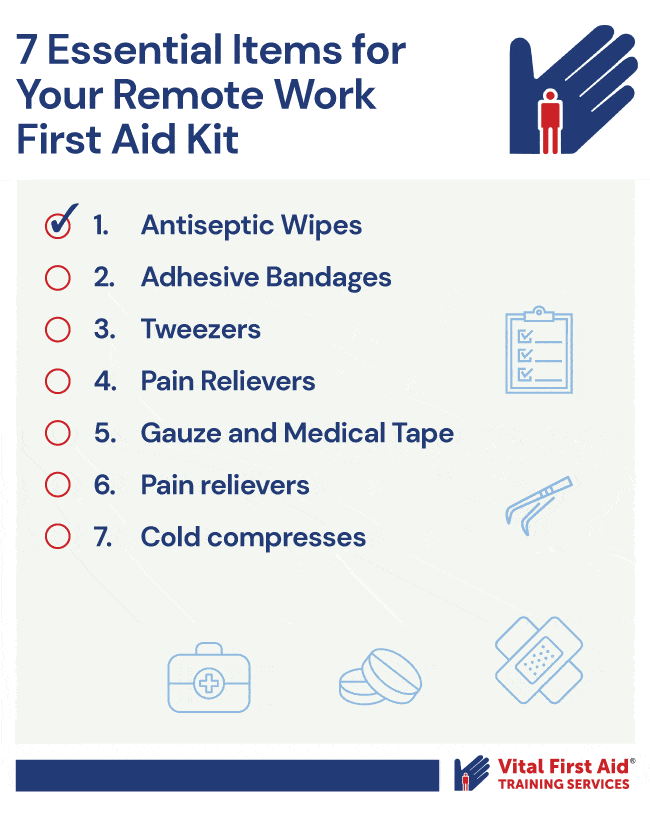
First Aid Kit Essentials:
- Adhesive bandages
- Antiseptic wipes
- Burn ointment
- Gauze pads and medical tape
- Tweezers
- Pain relievers
- Cold compresses
First Aid for Remote Workers—A Summary
First aid for remote workers is crucial since our working arrangements have changed since the pandemic. By preparing for everyday risks like eye strain, back pain, dehydration, and minor injuries, remote workers can stay focused and safe.
A well-stocked first aid kit and proactive strategies make it easier to handle common health challenges, ensuring productivity and well-being, even when working alone.
For more first aid tips or to learn about remote worker safety, contact us. To enrol in a first aid course, register for a course near you.
Sources: Safe Work NSW ; ABS ; Exploding topics ; University of Wollongong ; Black Dog Institute