When you’re on two wheels, the thrill of the ride is unmatched—but so are the risks. Motorcyclists are 34 times more likely to be killed in a crash than car occupants. Motorcyclists are more vulnerable on the road, making first aid knowledge not just helpful, but potentially lifesaving.
Whether you’re a weekend rider or a daily commuter, first aid for motorcyclists is essential.
It cannot be denied: carrying a tailored first aid kit and knowing how to respond can make a critical difference. This blog explores what every motorcyclist should carry, the key first aid skills to learn, and how to stay compliant with road safety laws.
Why First Aid Matters for Motorcyclists
Motorcyclists often face accidents where immediate help is unavailable, making it crucial for riders or companions to act quickly. Knowing how to manage bleeding, shock, and common injuries like fractures or abrasions can significantly reduce trauma and improve outcomes, especially during remote or long-distance rides.
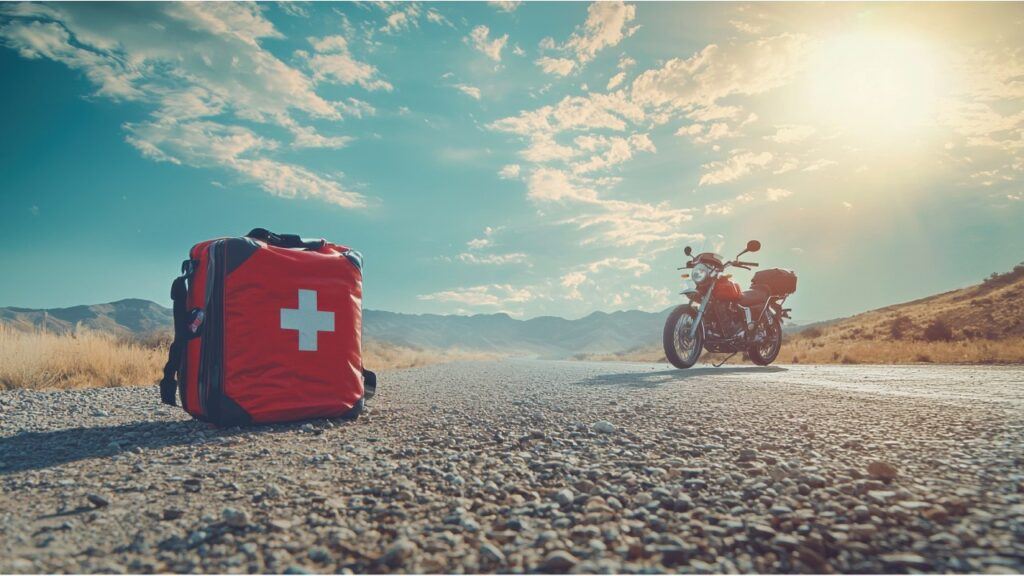
What to Pack in a Motorcycle First Aid Kit
A crash can happen in seconds. But what you do next can shape the outcome. Whether you’re on a solo ride or part of a group, having the right supplies at hand can mean the difference between a close call and a catastrophe.
Consider the following essentials:
- Trauma shears – Designed to cut through thick riding gear quickly in an emergency.
- Sterile wound dressings and gauze – For covering and protecting open wounds to prevent infection.
- Adhesive bandages in various sizes – Useful for treating minor cuts, abrasions, and blisters.
- Antiseptic wipes and saline solution – Cleanse wounds and reduce the risk of contamination.
- Emergency blanket – Helps retain body heat and prevent shock in injured riders.
- Burn gel and hydrogel dressings – Provide immediate relief and protection for burns and scalds.
- Instant cold pack – Reduces swelling and numbs pain from sprains or bruises.
- CPR face shield – Offers a barrier during resuscitation, reducing infection risk.
- Nitrile gloves – Protect both rescuer and casualty from bodily fluids and contaminants.
- Emergency contact card – Contains vital medical details and who to call in a crisis.
When a crash unfortunately occurs, what you do next can shape the outcome. Whether you’re riding through city streets or remote bushland, having the right supplies at hand allows you to respond confidently to injuries.
Your motorcycle first aid kit should be compact, waterproof, and easily accessible. Stocking it with the right gear empowers riders to take control in critical moments and ride with greater confidence and peace of mind.
Essential First Aid for Motorcyclists
Motorcyclists often venture into far-flung places, chasing the freedom of winding backroads, coastal routes, and untouched bush trails.
Let’s be honest: this is part of what makes riding so exhilarating.
But the same remoteness that offers beauty and solitude can also mean delays in getting help when things go wrong. That’s why every rider should consider a nationally recognised first aid course. Skills especially relevant for motorcyclists include:
- Managing severe bleeding with pressure and bandaging
- Immobilising fractures with a splint or padding
- CPR and use of an AED (where available)
- Managing unconscious casualties
- Recognising signs of shock and head trauma
Courses like Provide First Aid HLTAID011 are ideal. Gaining these skills not only prepares you for emergencies but also builds the confidence to protect those you ride with, turning ordinary riders into capable first responders.
Combine your first aid kit with these skills and you’re prepared to enjoy the open road safely.
- We have some important information dealing with these emergencies, from bruising, concussions, and shock. Click on the relevant links to learn more.
Real-World Scenario: South Coast Road Incident
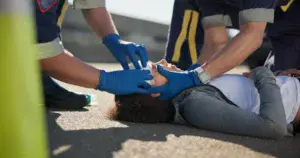
Imagine you’re on a weekend group ride along the winding roads of the South Coast when a fellow rider loses control and crashes into roadside scrub. With no immediate help nearby, your group steps in. Someone applies pressure to a bleeding leg wound, another wraps the rider in an emergency blanket to prevent shock.
By the time paramedics arrive, the injured rider is stable thanks to quick, coordinated action. Scenarios like this highlight why first aid training and a well-stocked kit are vital, especially when riding through remote or less-travelled routes.
- Insight: A UK program has responded to a 40% rise in serious motorcycle crashes by offering riders first aid training. The initiative highlights how basic emergency skills can empower motorcyclists to stabilise injured mates while waiting for paramedics—especially in remote areas.
Summary: First Aid for Motorcyclists is Essential
While there’s no legal requirement for recreational riders to carry a first aid kit, safety experts strongly recommend it, especially for those venturing on long rides or into remote areas. If it is work related, there are legal requirements. Checking local guidelines and planning ahead ensures you’re never caught off guard.
Motorcycling offers freedom and adventure, but also demands readiness. A well-equipped kit and practical first aid knowledge provide the confidence to handle unexpected situations. Ride with peace of mind—knowing you’re prepared to help when it matters most.
Want to ensure your kit is up to date? Browse our first aid kit range or book a first aid course today.