The Vital Facts:
- Approximately 4.67 million Australians experience food poisoning each year
- These illnesses result in around 47,900 hospital admissions annually
- Foodborne illnesses lead to approximately 38 deaths each year in Australia
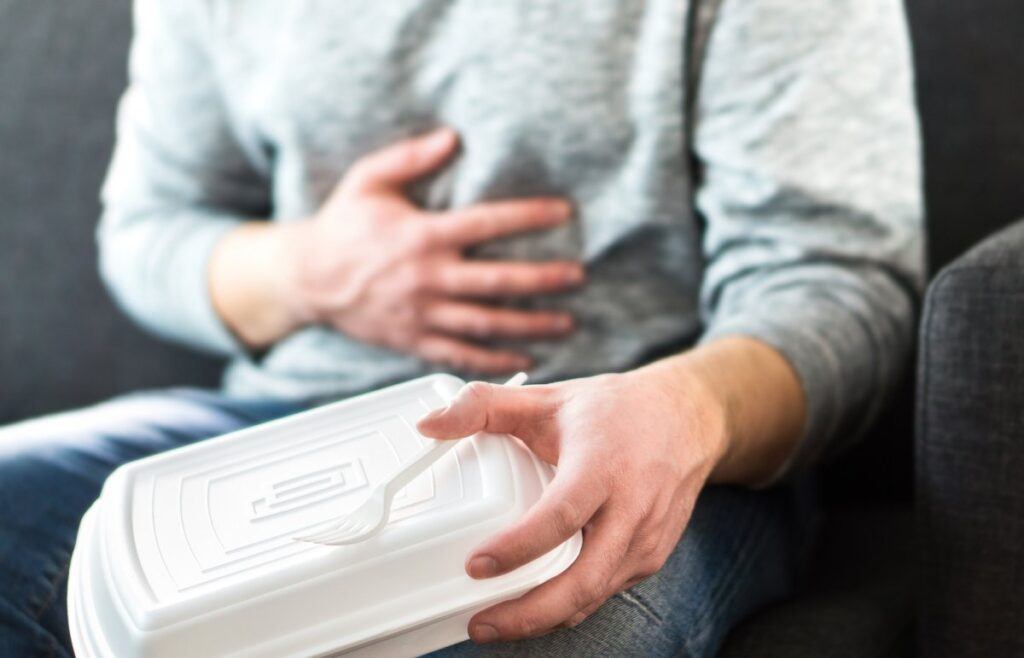
Enjoying a delicious meal can be a delightful experience, but a few hours later, your body may start telling a different story. Your stomach churns, sweat forms on your skin, and nausea takes hold. What started as a joyful occasion quickly turns into discomfort.
Food poisoning can strike without warning, and in these moments, knowing the basics of first aid for food poisoning is essential to ease symptoms and prevent the condition from worsening.
Heres a summary of what you’ll find below:
- What is Food Poisoning?
- How Long Does It Take for Food Poisoning to Start?
- What Causes Food Poisoning?
- Signs and Symptoms of Food Poisoning
- First Aid for Food Poisoning
What is Food Poisoning?
Food poisoning occurs when you consume food or drinks contaminated with harmful bacteria such as campylobacter, viruses, or toxins. These contaminants can trigger a range of unpleasant symptoms, typically affecting the digestive system.
While it’s often a mild and temporary condition, in some cases, food poisoning can lead to more severe health issues, especially for young children, the elderly, or those with weakened immune systems.
How Long Does It Take for Food Poisoning to Start?
Food poisoning symptoms can appear within 1-2 hours of eating contaminated food. However, in some cases, they may take up to 48 hours to develop.
The illness usually lasts 1-3 days, but the duration depends on the type of bacteria or virus that has caused the illness.
What Causes Food Poisoning?
The most common causes of food poisoning include:
Undercooked or improperly stored food: When food isn’t cooked thoroughly or left unrefrigerated, harmful bacteria can form.
Cross-contamination during food preparation: Bacteria can easily spread from raw to cooked foods if surfaces, utensils, or hands aren’t properly cleaned.
Poor hygiene practices: Not washing hands before handling food, or failing to clean kitchen tools thoroughly, introduces germs that can contaminate food.
Pathogen contamination: Common pathogens like Salmonella, E. coli, Norovirus, and Listeria can infect food at any stage, from production to preparation.
Signs and Symptoms of Food Poisoning
The symptoms of food poisoning can vary depending on the type of contaminant, but common signs include:
- Nausea and vomiting
- Diarrhoea, which may be watery or bloody
- Stomach cramps and abdominal pain
- Fever and chills
- Fatigue and weakness
- Headache
- Loss of appetite
First Aid for Food Poisoning
1. Stay Hydrated
Food poisoning can cause dehydration due to vomiting and diarrhoea. Drink plenty of water or oral rehydration solutions such as Hydralyte to replace lost fluids and electrolytes.
2. Rest
Allow your body to recover by getting plenty of rest. Avoid physical activity and give your digestive system time to heal. Sleep helps the immune system fight off the infection.
3. Avoid Solid Foods
Once the vomiting and diarrhoea have settled, start with bland, easy-to-digest foods similar to the BRAT diet, such as crackers, toast, or bananas. Avoid greasy, spicy, or rich foods.
4. Monitor Symptoms
Keep an eye on symptoms, watching for signs of dehydration such as dry mouth or reduced urination. Monitor fever levels, and if the condition persists for more than 48 hours or worsens, seek medical attention.
5. Seek Medical Attention (000)
While most cases of food poisoning resolve within a few days, some can be more serious. If severe symptoms like intense abdominal pain, inability to keep fluids down for more than a day, allergic reactions or anaphylaxis, persistent vomiting, blood in the stool, or signs of shock occur, seek immediate medical attention.
People at greater risk of food poisoning and who should seek medical advice early, are those who:
- are pregnant
- are elderly
- are very young
- have a weak immune system due to illness or medicines

Knowing How to Respond is Vital
Food poisoning can be an unpleasant and distressing experience, but with the right first aid knowledge, you can alleviate symptoms and prevent further complications.
Be prepared for the unexpected—join one of our courses today to build the confidence and skills required to handle first aid emergencies.
Get in touch for more details or sign up for a course in your area now.